search
date/time
 | Cumbria Times A Voice of the Free Press |

Andrew Palmer
Group Editor
P.ublished 10th January 2026
arts
Review
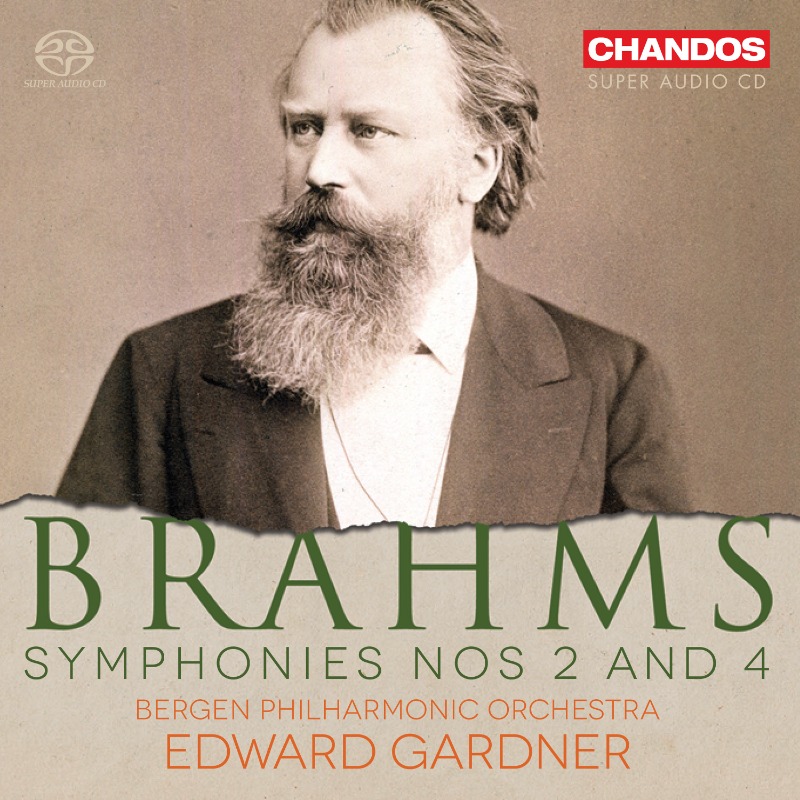
Classical Music: Brahms Symphonies 2 & 4
Fresh perspectives and exhilarating tempi bring new life to Brahms's Second and Fourth Symphonies
Symphony No. 2 in D major, Op. 73; Symphony No. 4 in E minor, Op. 98
Bergen Philharmonic Orchestra
Edward Gardner
Chandos CHSA 5248
chandos.net
How astonishing, then, that his Second Symphony was begun in June 1877 and received its first performance just six months later, by the Vienna Philharmonic under Hans Richter. Its cheerful nature and pastoral mood stand in stark contrast to the anguished struggles of its predecessor. Following a gap of some six years, Brahms returned to the form in 1883, composing his Third and Fourth Symphonies in quick succession.
The Fourth, begun in 1884, was premièred by the composer and the Meiningen Court Orchestra in October 1885. I've always found this work especially compelling for its finale, which takes the form of a passacaglia – an extremely rare occurrence in symphonic literature – and remains the only one of Brahms's symphonies to end in a minor key.
The first thing to notice about these performances is the alacrity with which Gardner approaches each movement. The tempi work excellently, and yet there is enormous depth and warmth to the way the Bergen Philharmonic responds to his direction. The outcome showcases consummate playing throughout, with each section of the orchestra sounding sublime; the wonderful sound exists within the aural space that Gardner creates, allowing the orchestra to sound utterly beautiful despite the brisker tempos. You will hear details in the playing that offer a fresh perspective on these much-recorded works. It is simply glorious. The precision and dynamics are utterly convincing. The trombones in the Second Symphony are fantastic, and The Bergen Philharmonic's climaxes are wonderfully exciting.
These are recordings that should be in every Brahms enthusiast's collection. There are more traditionally Germanic performances available, but this pairing is totally refreshing. If the year continues with this level of quality from both recording engineering and sheer brilliance of playing, we are in for many treats indeed.